
FMCG Manufacturing Automation: When Is It Time to Automate?

For many FMCG manufacturers, food producers, and growing production businesses, FMCG manufacturing automation becomes a serious consideration when demand begins to outpace existing processes. Production targets increase, labour shortages become more challenging, and manual processes that once worked efficiently start creating delays. At this stage, many business owners begin exploring industrial automation solutions, robotic systems, and custom manufacturing equipment.

fmcg-production-bottleneck-automation

Production targets increase, labour shortages become more challenging, and manual processes that once worked efficiently start creating delays. At this stage, many business owners begin exploring industrial automation solutions, robotic systems and custom manufacturing equipment.
However, the first question should never be:

What can we automate?

Instead, ask: 

What production problem are we trying to solve?

The most successful FMCG manufacturing automation projects focus on solving a specific operational challenge rather than introducing technology for its own sake. Whether you’re considering robotic automation systems, production line automation, or custom-engineered equipment, the goal should always be to improve efficiency, consistency, and scalability.

IN THIS ARTICLE

Here are six clear indicators that your manufacturing process is ready for FMCG manufacturing automation.

FMCG Manufacturing Automation

A Repetitive Task Is Creating a Production Bottleneck

Every production line has critical tasks that influence the performance of the entire operation. These bottlenecks often involve:
• Product handling and transfer
• Packaging and packing
• Loading and unloading equipment
• Sorting and automated inspection
• Material transfer between processes
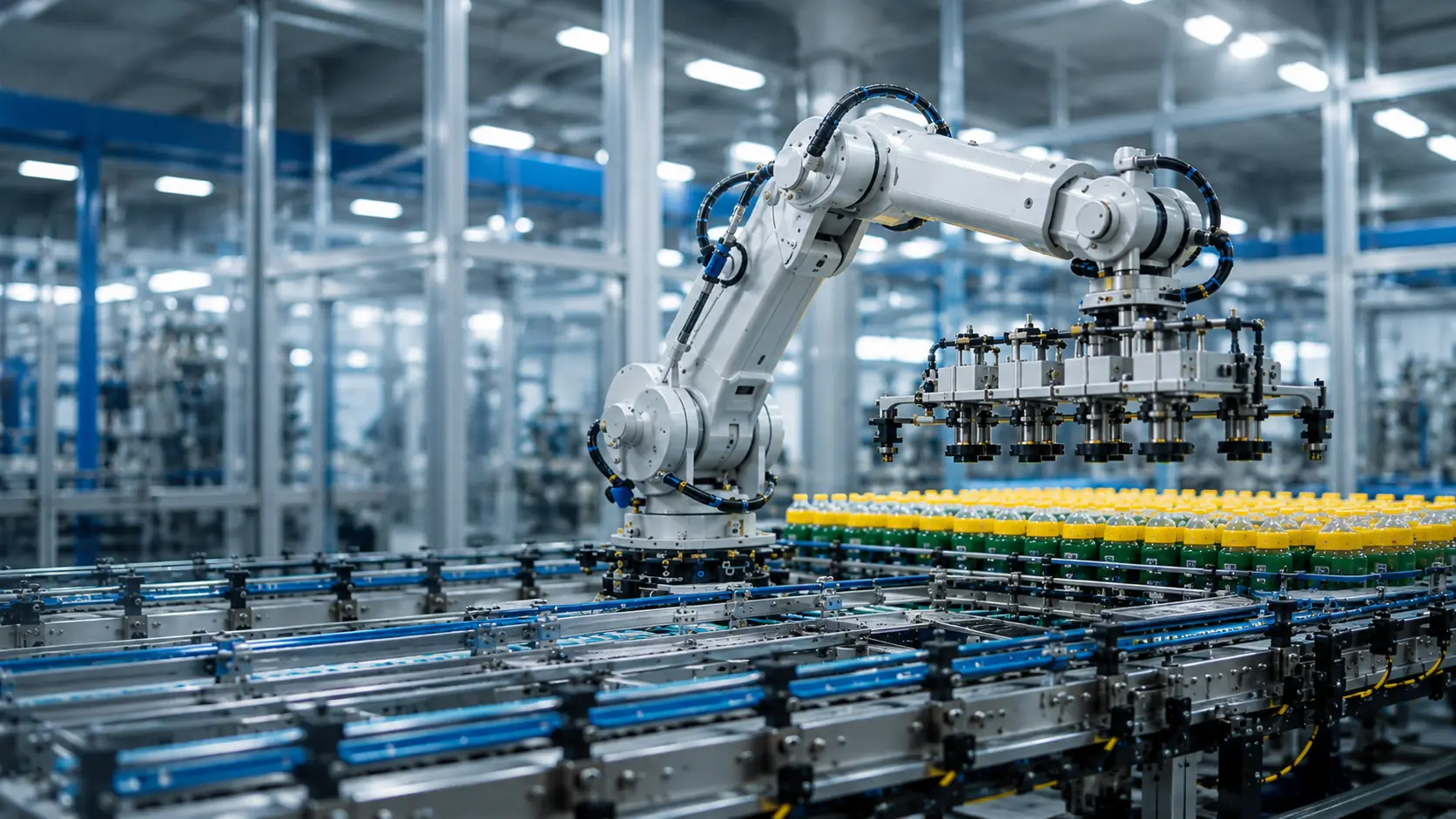
When a repetitive manual task consistently slows production, creates queues, or prevents your business from meeting customer demand, it becomes an ideal candidate for automation. Effective production line automation does more than speed up one activity—it improves the overall throughput of your entire FMCG manufacturing process.

FMCG Manufacturing Automation

Ready to Explore Automation for Your Business?

Our team helps FMCG manufacturers resolve bottlenecks, optimize operational efficiency, and evaluate custom industrial automation opportunities.

Business Growth Requires More Labour Instead of Better Processes

Many FMCG manufacturers reach a point where increasing output means hiring additional staff to perform the same repetitive tasks. While expanding the workforce can provide short-term relief, it often increases: • Recruitment and onboarding costs
• Training requirements
• Supervision demands
• Reliance on manual labour
• Operational complexity
Implementing FMCG manufacturing automation allows businesses to scale production capacity without continually increasing labour requirements. This doesn't mean replacing skilled staff. Instead, automation enables your team to focus on quality control, process improvement, maintenance, and strategic problem-solving.

KEY BENEFITS OF AUTOMATION

Manual Tasks Are Causing Fatigue, Strain or Safety Risks

Workplace safety is a major driver for automation investment in Australia. Repeated lifting, twisting, reaching, and gripping can create physical strain over time. Even lightweight products can contribute to repetitive stress when handled thousands of times each day. Modern industrial automation solutions assist with:
• Material handling automation
• Palletising and depalletising
• Product transfer and sorting
• High-speed packaging operations
• Repetitive assembly processes
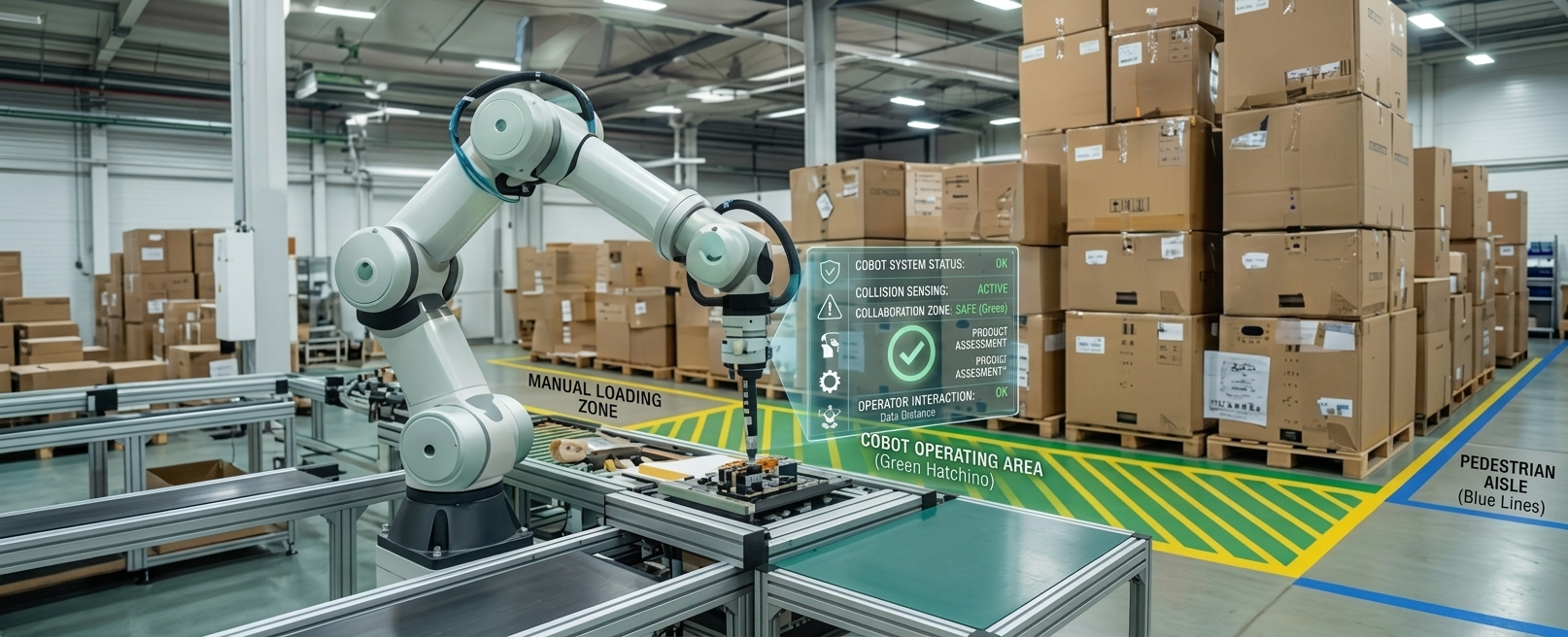
Robotic automation systems and collaborative robots (cobots) are particularly effective for physically demanding tasks while helping businesses improve workplace safety and operational consistency.

LET'S BUILD SMARTER PRODUCTION TOGETHER

Discover how FMCG manufacturing automation solves operational bottlenecks, boosts quality, increases throughput, and drives growth.

Whether you require robotic automation systems, material handling, packaging automation, or custom machinery, we evaluate your best path forward.

Quality and Consistency Are Becoming Difficult to Maintain

Manual production processes can deliver excellent results, especially when skilled judgement is required. However, some manufacturing activities depend on performing the same action accurately every time. If product quality varies due to:
• Operator fatigue
• Shift changes
• Production pressure
• Human variability
• Process inconsistency
FMCG manufacturing automation may help improve repeatability and quality control. In many cases, the best solution isn't a complex robotic system. A custom fixture, automated inspection system, controlled dispensing solution, or dedicated machine may deliver the required outcome more efficiently. The most effective automation solution is often the simplest one that consistently achieves the desired result.

Your Manufacturing Process Has Become Stable and Predictable

One of the most overlooked requirements for successful automation is process stability.
Before investing in automation, you should clearly understand:
• What enters the process
• What outcome is required
• How products vary
• Quality acceptance criteria
• Potential failure points
• Interactions with upstream and downstream processes
FMCG manufacturing automation performs best when processes are well defined and predictable. If product designs, packaging formats or workflows change frequently, it may be more beneficial to optimise and standardise the process before introducing automation technology. A stable process reduces implementation risk and improves long-term return on investment.

Contact us to discuss:

The Business Case Goes Beyond Labour Savings

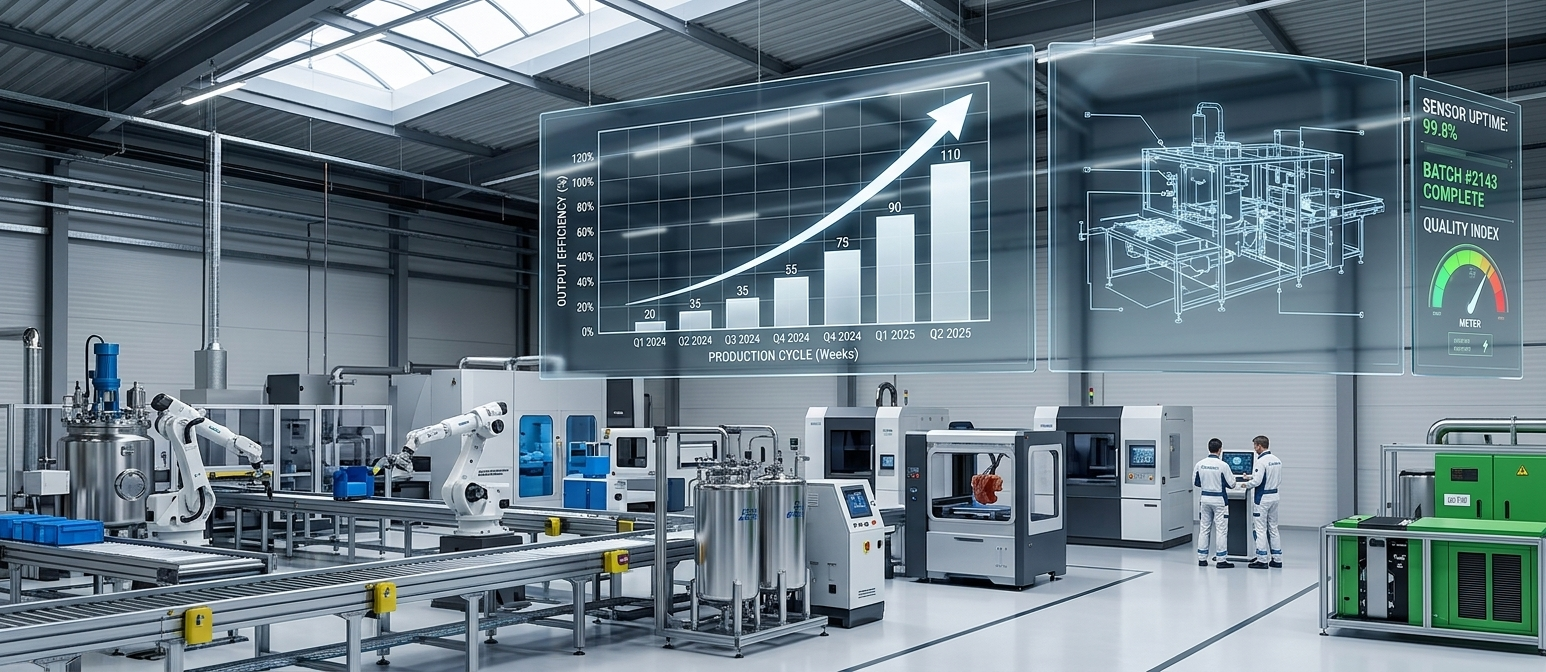
Many companies evaluate automation purely through labour reduction. In reality, the strongest FMCG manufacturing automation projects create value in multiple areas, including: • Increased production capacity
• Improved manufacturing efficiency
• Reduced downtime
• Lower product waste
• Greater quality consistency
• Enhanced workplace safety
• Improved ability to meet peak demand
• Reduced reliance on difficult-to-fill positions
• Better scalability for future growth
The question should not simply be:
"How many employees can this replace?"
Instead, ask:
"How much operational value can this create?"
The answer often extends far beyond labour costs alone.
Manufacturing Automation

WHY CHOOSE EXPLORE DISCOVER INVENT

From FMCG manufacturing automation and process optimization to custom-engineered machinery, we help Australian businesses improve productivity, eliminate bottlenecks, and scale operations. Our focus is delivering high-ROI, practical automation solutions tailored to your production needs.

Food Manufacturing

A Practical Example from Food Manufacturing Automation

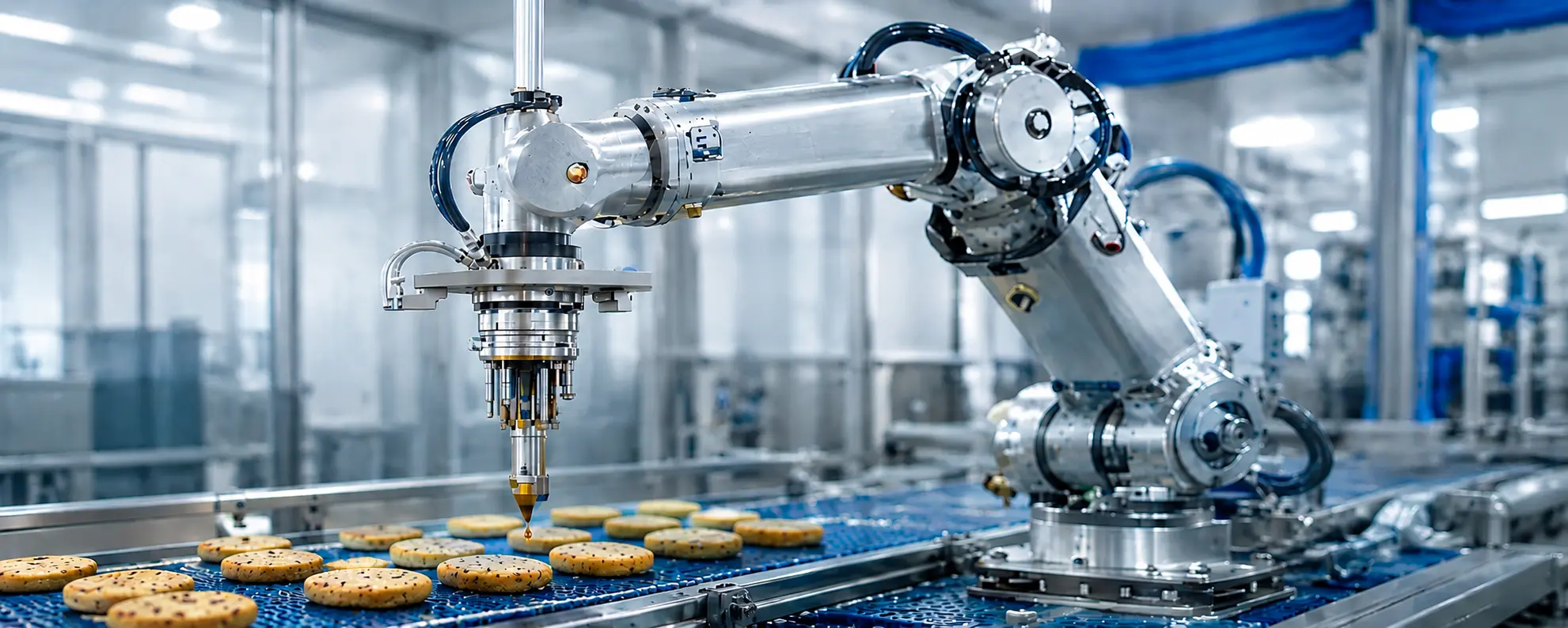
During the development of a robotic automation cell for a food manufacturing application, the robot itself represented only one part of the overall solution.

The project’s success depended on understanding:

  • Product characteristics
  • Product presentation
  • Operator interaction
  • Safety requirements
  • Integration with existing equipment

The robotic arm was important, but the surrounding FMCG manufacturing automation system was equally critical. This highlights an important principle for all manufacturers considering automation: technology alone cannot fix an unstable process. Successful automation requires a complete systems approach that reflects real production conditions.

Automation Solution

When Automation May Not Be the Right Solution

Automation is not always the best first step.

There are situations where alternative improvements may provide greater value, including when:

  • The process is not yet clearly defined

  • Production volumes remain too low

  • Product variations are extremely frequent

  • The true bottleneck exists elsewhere

  • A simpler engineering solution would solve the issue

In many cases, process improvements, equipment upgrades, workflow redesign, or custom tooling can deliver significant gains without the complexity of a fully automated system.

A trustworthy automation partner should identify these opportunities rather than recommending unnecessary technology.

fmcg-production-bottleneck-automation

Start with the Process, Not the Technology

You don’t need to know whether you require a robot, conveyor system, custom machine, or integrated automation cell before beginning the conversation. Start by identifying the task that creates the greatest pressure on your business.

Consider:

  • What is limiting production today?

  • What does the bottleneck cost the business?

  • How does it affect quality, safety, or efficiency?

  • What improvements would justify investment?

At Explore Discover Invent, we help Australian manufacturers evaluate production challenges, identify opportunities for process improvement, and determine whether FMCG manufacturing automation is the right solution. Our approach begins with understanding your manufacturing process, operational objectives, and future growth plans. 

Frequently Asked Questions

How do I know if my FMCG manufacturing process is ready for automation?

Your manufacturing process may be ready for automation if repetitive tasks are creating production bottlenecks, labour shortages are affecting output, quality inconsistencies are increasing, or manual handling tasks are creating safety risks. These are common signs that automation could improve efficiency, productivity and scalability.

Tasks that are repetitive, predictable and time-consuming are often ideal candidates for automation. This can include product handling, packaging and packing, loading and unloading equipment, sorting and inspection, material transfer and repetitive assembly processes.

Yes. Automation isn’t only for large manufacturers. Small and growing FMCG and manufacturing businesses can use automation to address specific challenges such as repetitive tasks, production bottlenecks, manual handling and labour constraints. The solution can be designed around your current production volume, available space and future growth plans.

Custom automation does not necessarily mean building a large or complex system. A practical solution can focus on one specific production bottleneck or repetitive task and be designed around the business’s current needs. Starting with the highest-value opportunity can make automation more achievable for smaller manufacturers.

For FMCG manufacturers, automation can help increase production capacity, improve manufacturing efficiency, reduce repetitive manual work, improve product consistency, minimise waste and support business growth. It can also help businesses make better use of their existing workforce.

Automation isn’t always the best answer. If your production process is unstable, volumes are too low or a simpler equipment or process improvement could solve the problem, that may be a better option. The first step should be understanding the production challenge rather than choosing technology.

fmcg-production-bottleneck-automation

Ready to Explore Automation?

If a production bottleneck, repetitive task, or manual handling issue is limiting your growth, contact Explore Discover Invent for a free, no-obligation consultation and discover whether a custom FMCG manufacturing automation solution could help improve your manufacturing efficiency, productivity, and long-term scalability.

Contact Us

Let’s explore your automation opportunities

No pressure. No commitment. Just a practical conversation about your production process, operational challenges, and whether automation solutions can help.

Ideal for small and growing FMCG and manufacturing businesses with around 10 employees looking to improve efficiency, reduce repetitive tasks, and remove production bottlenecks.


    Scroll to Top